Famous Bridges of Norway: Complete Guide to Norwegian Bridge Architecture
Norway's spectacular geography has given rise to some of the world's most remarkable bridge engineering. From the dramatic curves of Storseisundet Bridge on the Atlantic Road to the soaring spans of Hardanger Bridge over deep fjords, Norwegian bridges represent both triumph over challenging terrain and gateways to unforgettable scenic experiences. This comprehensive guide explores Norway's most iconic bridges, their engineering marvels, and how to experience them as part of your Norwegian adventure.
🌉 Quick Bridge Facts
- Most Photographed: Storseisundet Bridge (Atlantic Road)
- Longest Suspension: Hardanger Bridge (1,380m span)
- Most Scenic Route: Nordhordland Bridge (Bergen region)
- Engineering Marvel: Øresund Bridge (Norway-Sweden connection)
Storseisundet Bridge: The Atlantic Road's Crown Jewel
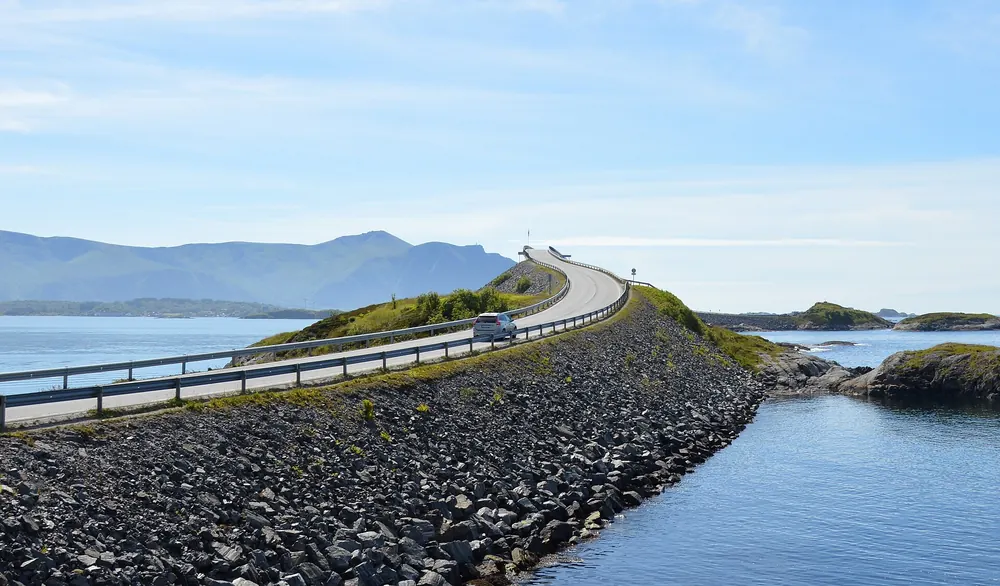
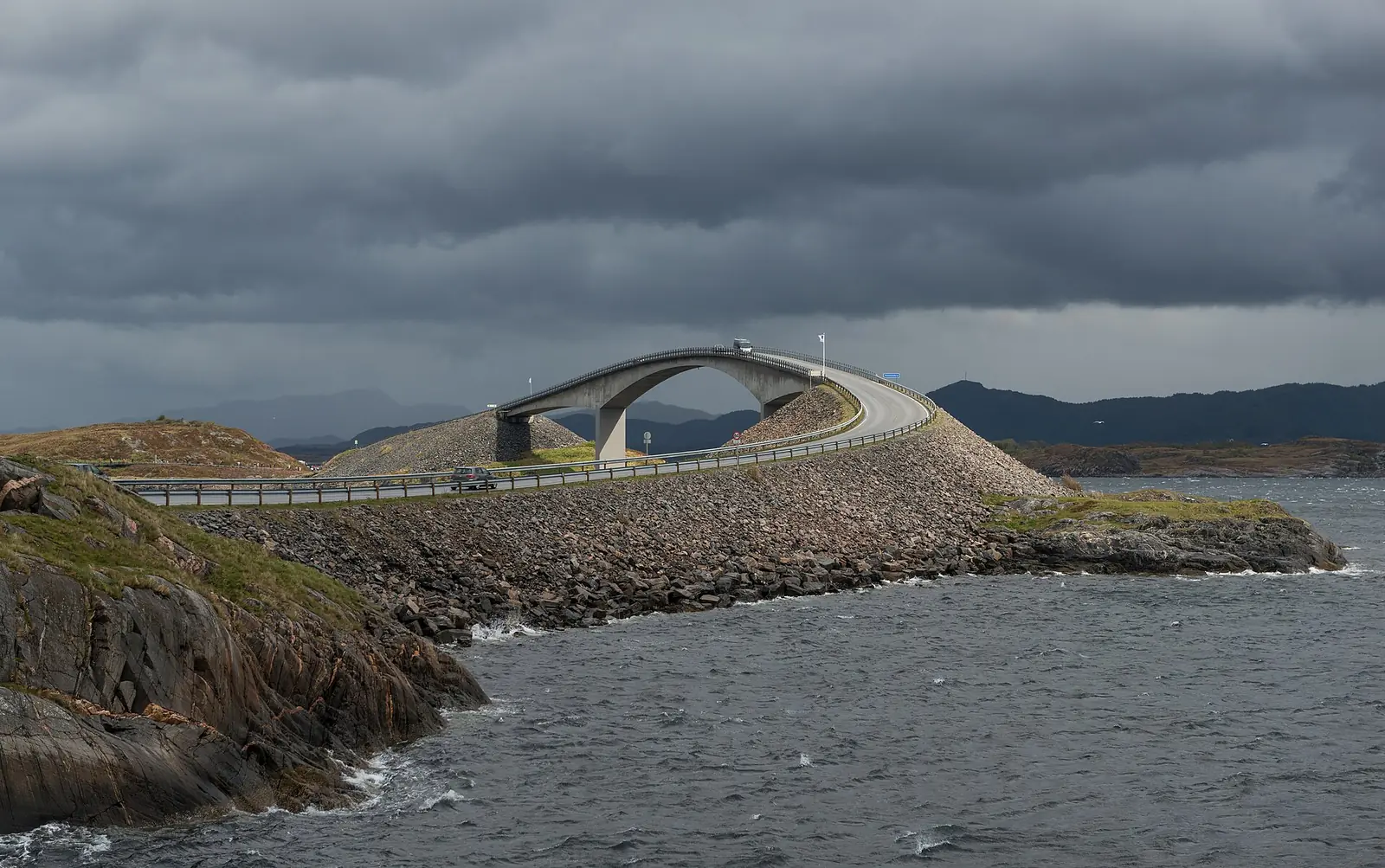
Rising from the Atlantic Ocean like a stone giant's path to the sky, Storseisundet Bridge embodies everything dramatic about Norwegian engineering. Known globally as the "Bridge to Nowhere" for its optical illusion that appears to drop drivers directly into the ocean, this 260-meter cantilever bridge has become Norway's most photographed structure.
The bridge opened in 1989 as part of the Atlantic Road project, connecting the island of Averøy to the mainland. Its distinctive curve wasn't designed for aesthetics alone—the engineers created this arc to withstand the intense North Atlantic storms that regularly sweep across this exposed coastal location. During winter storms, waves crash completely over the bridge deck, creating spectacular—if terrifying—displays of nature's power.
📸 Photography Tips for Storseisundet
Best viewpoint: Park at GPS coordinates 63.0161°N, 7.3588°E for the classic "Bridge to Nowhere" angle. Early morning and late afternoon provide the most dramatic lighting, especially when storm clouds gather on the horizon.
Hardanger Bridge: Fjord Engineering Masterpiece
Spanning the Hardangerfjord between Bruravik and Brimnes, Hardanger Bridge represents the pinnacle of Norwegian suspension bridge engineering. With its 1,380-meter main span, it ranks among Europe's longest suspension bridges and serves as a crucial link in Norway's National Tourist Route network.
The bridge's construction, completed in 2013, solved a century-old transportation challenge. Before its opening, travelers crossing the Hardangerfjord endured lengthy ferry crossings, especially during peak tourist season. Now, the journey that once took hours can be completed in minutes, while offering passengers breathtaking views of the fjord's steep walls and cascading waterfalls.
From the bridge deck, 190 meters above the fjord waters, visitors experience a perspective few places on Earth can match. The view encompasses the entire Hardangerfjord system, including distant glimpses of the Folgefonna glacier. For many travelers, crossing Hardanger Bridge becomes a highlight equal to any planned destination.
Nordhordland Bridge: Gateway to Western Norway
Connecting the island of Flatøy to the mainland near Bergen, Nordhordland Bridge serves both practical transportation needs and scenic touring opportunities. This cable-stayed bridge, with its 368-meter main span, opened in 1994 and immediately transformed access to Norway's western coastal regions.
What sets Nordhordland Bridge apart is its integration into the broader landscape of western Norway's island-hopping routes. The bridge forms part of a scenic driving circuit that includes numerous smaller islands, historic fishing villages, and dramatic coastal scenery. Many travelers use it as a launching point for exploring the intricate archipelago north of Bergen.
The bridge's distinctive red towers have become landmarks for both navigation and photography. Unlike some Norwegian bridges that stand in relative isolation, Nordhordland Bridge sits within a populated region, making it easily accessible for visitors staying in Bergen or touring the western fjord region.
⚡ Engineering Innovations
Norwegian bridges showcase cutting-edge solutions for extreme weather conditions:
- Wind resistance: Aerodynamic deck designs handle 60+ mph coastal winds
- Ice protection: Special coatings prevent dangerous ice formation
- Seismic design: Flexible joints accommodate ground movement
- Salt corrosion: Advanced materials withstand decades of sea spray
Regional Bridge Connections and Scenic Routes
Norwegian bridges rarely exist in isolation—they form crucial links in the country's National Tourist Route system. Understanding these connections helps travelers plan comprehensive scenic driving experiences that maximize both practical transportation and touristic value.
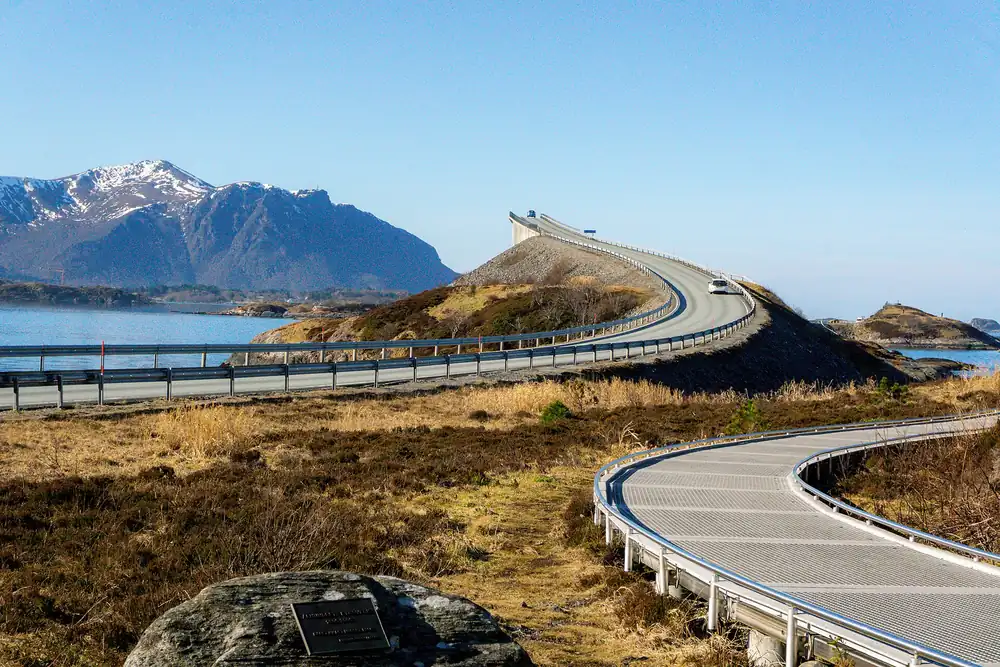
The Atlantic Road's bridges, including Storseisundet, work together as a series connecting eight small islands. This creates a unique island-hopping driving experience where each bridge offers different perspectives on the North Atlantic landscape. Combined with the nearby Trollstigen mountain road and Geirangerfjord routes, these bridges form part of a "Grand Tour" of western Norway's most dramatic scenery.
Similarly, Hardanger Bridge anchors a regional network that includes connections to famous waterfalls, glacier viewpoints, and traditional farming valleys. Travelers can design circular routes that combine multiple bridges with hiking opportunities, cultural sites, and accommodation in historic lodges or modern eco-resorts.
Best Times to Visit Norway's Bridges
Each season transforms Norwegian bridges into entirely different experiences. Summer months (June-August) offer the longest daylight hours and most stable weather for photography and sightseeing. However, experienced travelers often prefer shoulder seasons for more dramatic atmospheric conditions.
Autumn brings shorter days but spectacular storm-watching opportunities, particularly at Storseisundet Bridge. Winter visits require careful planning due to weather conditions, but reward hardy travelers with northern lights viewing opportunities and dramatic ice formations. Spring offers a middle ground with improving weather and fewer crowds.
🚗 Planning Your Bridge Tour
Recommended Route: Bergen → Nordhordland Bridge → Atlantic Road (Storseisundet) → Return via Hardanger Bridge
Duration: 3-4 days with overnight stops
Best Photography: Early morning or late afternoon for dramatic lighting
Weather Check: Always verify conditions before visiting exposed coastal bridges
Bridge Photography and Safety Guidelines
Norwegian bridges offer world-class photography opportunities, but require respect for both traffic safety and natural conditions. Most bridges include designated parking areas and pedestrian walkways, though these vary significantly between locations.
Storseisundet Bridge presents particular challenges due to its exposure to Atlantic weather. Photography enthusiasts should monitor weather forecasts carefully and avoid visits during storm warnings. The bridge's parking areas can become extremely hazardous when waves wash across the roadway.
For Hardanger Bridge and other major spans, photography opportunities extend beyond the bridge structure itself. The surrounding fjord landscapes, approached mountain roads, and seasonal changes create varied shooting opportunities throughout the year. Professional photographers often return multiple times to capture different lighting and weather conditions.
Planning Your Norwegian Bridge Adventure
Experiencing Norway's famous bridges requires more than simply driving across them. The most rewarding visits combine bridge viewing with broader exploration of regional culture, cuisine, and natural attractions. Consider spending time in local communities to understand how these engineering marvels transformed daily life for Norwegian residents.
Accommodation planning becomes crucial for bridge touring, particularly in remote areas like the Atlantic Road. Booking advance reservations ensures availability during peak season and provides opportunities to experience Norwegian hospitality in unique settings like converted lighthouse stations or traditional fishing lodges.
Remember that Norwegian bridge experiences often depend heavily on weather conditions. Build flexibility into your itinerary and maintain backup plans for indoor activities during stormy periods. Some of the most dramatic bridge photography opportunities occur during marginal weather conditions, but safety must always take priority over spectacular shots.
🎯 Expert Recommendations
For Engineering Enthusiasts: Visit bridge information centers to learn about construction challenges and solutions
For Photographers: Plan visits during "blue hour" times for optimal lighting conditions
For Families: Combine bridge visits with nearby museums and visitor centers
For Adventure Seekers: Time visits to coincide with storm seasons for dramatic weather experiences
Norway's bridges offer gateway experiences to some of the country's most spectacular landscapes and engineering achievements. Whether you're drawn by technical interest in construction methods, artistic appreciation for structural beauty, or simply the thrill of traveling through dramatic natural settings, Norwegian bridges provide unforgettable memories that extend far beyond simple transportation. Plan your bridge adventure as part of a broader Norwegian exploration, and discover why these engineering marvels have captured imaginations worldwide.
Learn more about Storseisundet Bridge on the Atlantic Road | Essential Safety Information for Bridge Driving | Photography Guide for Norwegian Bridges