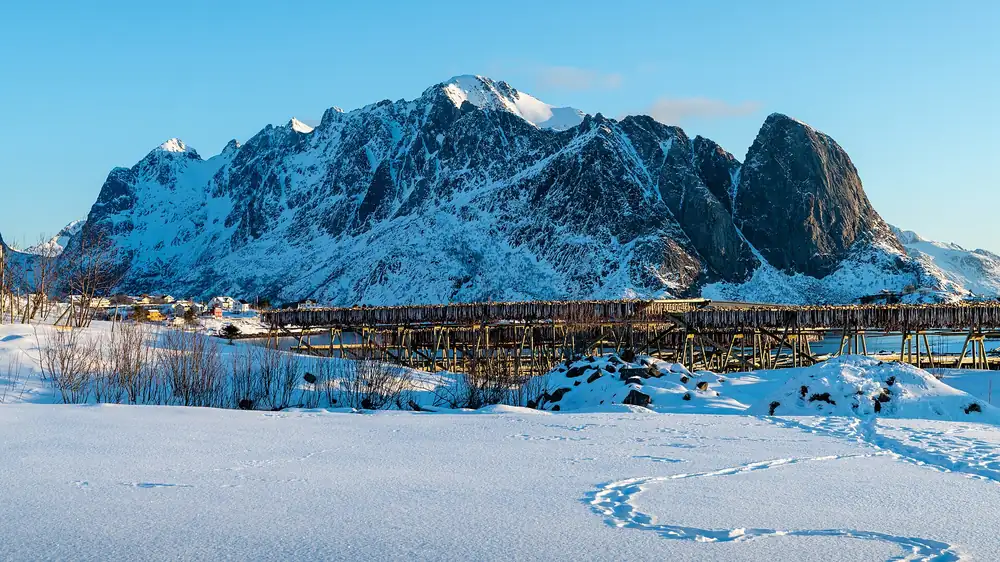
Lofoten Islands to Atlantic Road Connection: Ultimate Norway Route Guide 2025
Connecting two of Norway's most spectacular scenic destinations, the route from the mystical Lofoten Islands to the dramatic Atlantic Road creates an unforgettable Nordic adventure. This comprehensive guide provides detailed routing, ferry schedules, accommodation recommendations, and insider tips for linking these iconic Norwegian coastal experiences into one extraordinary journey.
🚗 Quick Connection Overview
- Total Distance: 520 kilometers (323 miles)
- Driving Time: 8-10 hours (excluding stops and ferries)
- Best Route: Lofoten → Narvik → Trondheim → Atlantic Road
- Recommended Duration: 2-3 days with overnight stops
- Ferry Crossings: Multiple options, advance booking recommended
Detailed Route Planning: Lofoten to Atlantic Road
Stage 1: Lofoten Islands to Narvik (130 km, 2.5 hours)
Begin your journey from any point in the Lofoten archipelago, with most travelers starting from Svolvær or Reine. The route follows the E10 highway through the dramatic Lofoten landscape, crossing several bridges that connect the main islands of the archipelago.
Departure Points in Lofoten:
- Svolvær: Lofoten's largest town, excellent facilities and accommodations
- Reine: Most photographed village, stunning departure point
- Å: Traditional fishing village at the southern tip
Key Stops En Route:
- Henningsvær: "Venice of Lofoten" - charming fishing village (30-minute detour)
- Kabelvåg: Historic village with Lofoten Museum
- Gimsøya: Beautiful white sandy beaches if weather permits
Stage 2: Narvik to Trondheim (420 km, 5.5 hours)
From Narvik, the route follows the E6 highway southward through spectacular Norwegian landscapes, including mountain passes, forests, and fjord views. This section traverses some of Norway's most remote and beautiful terrain.
⚠️ Important Route Considerations
- Winter Driving: November-April requires winter tires and chains
- Fuel Planning: Long sections with limited fuel stations
- Weather Monitoring: Check yr.no for current road conditions
- Emergency Kit: Essential for remote mountain sections
Recommended Overnight Stop: Trondheim
Trondheim provides an excellent halfway point with world-class accommodations, dining, and cultural attractions. The historic city offers a perfect break from driving while adding significant cultural value to your journey.
Stage 3: Trondheim to Atlantic Road (170 km, 2.5 hours)
The final stage takes you through central Norwegian landscapes to the coastal region of Møre og Romsdal, where the Atlantic Road awaits. This section includes some of Norway's most scenic fjord and mountain scenery.
Ferry Connections and Scheduling
Alternative Ferry Route: Bodø to Moskenes
For travelers preferring to minimize driving time while maximizing scenic ferry experiences, consider the ferry connection between mainland Norway and Lofoten.
🛥️ Ferry Options (2025 Schedules)
Bodø to Moskenes (Lofoten):
- Operator: Torghatten Nord
- Duration: 3.5 hours
- Frequency: 2-4 daily departures (seasonal)
- Advance Booking: Essential in summer (June-August)
- Vehicle + Driver: Approximately 800-1,200 NOK
💡 Book ferries at least 48 hours ahead during peak season
Accommodation and Overnight Options
Trondheim: Ideal Halfway Stop
Luxury Option: Britannia Hotel - Historic grand hotel in city center, rates from 2,500 NOK/night
Mid-Range: Scandic Nidelven - Modern hotel with fjord views, rates from 1,800 NOK/night
Budget-Friendly: Comfort Hotel Trondheim - Central location, rates from 1,200 NOK/night
Alternative Stops
Mo i Rana: Mountain town with good facilities, 4 hours from Narvik
Steinkjer: Charming small city, 1.5 hours from Trondheim
Seasonal Travel Considerations
Summer Travel (June-August)
Advantages: Midnight sun in Lofoten, optimal weather, all roads open
Challenges: Peak tourism, higher accommodation rates, ferry booking essential
Road Conditions: Excellent throughout the route
Winter Travel (November-March)
Advantages: Northern Lights viewing, fewer crowds, winter landscape beauty
Challenges: Shorter daylight hours, weather-dependent travel, winter driving requirements
Special Equipment: Winter tires mandatory, emergency supplies recommended
Shoulder Seasons (April-May, September-October)
Best Value: Lower accommodation rates, moderate crowds
Weather: Variable but often excellent for photography
Road Access: Confirm mountain pass conditions before departure
Budget Planning and Cost Estimates
💰 Total Trip Cost Estimates (2025)
Budget Travel (2-3 days):
- Fuel: 2,500-3,500 NOK
- Accommodation (2 nights): 2,400-4,000 NOK
- Meals: 1,500-2,500 NOK
- Ferries (if used): 800-1,200 NOK
- Total: 7,200-11,200 NOK per person
Luxury Travel (3-4 days):
- Premium fuel and vehicle: 4,000-5,000 NOK
- Luxury accommodation (3 nights): 7,500-12,000 NOK
- Fine dining: 4,500-7,500 NOK
- Premium ferry options: 1,500-2,000 NOK
- Total: 17,500-26,500 NOK per person
Photography and Scenic Highlights
Must-Photograph Locations
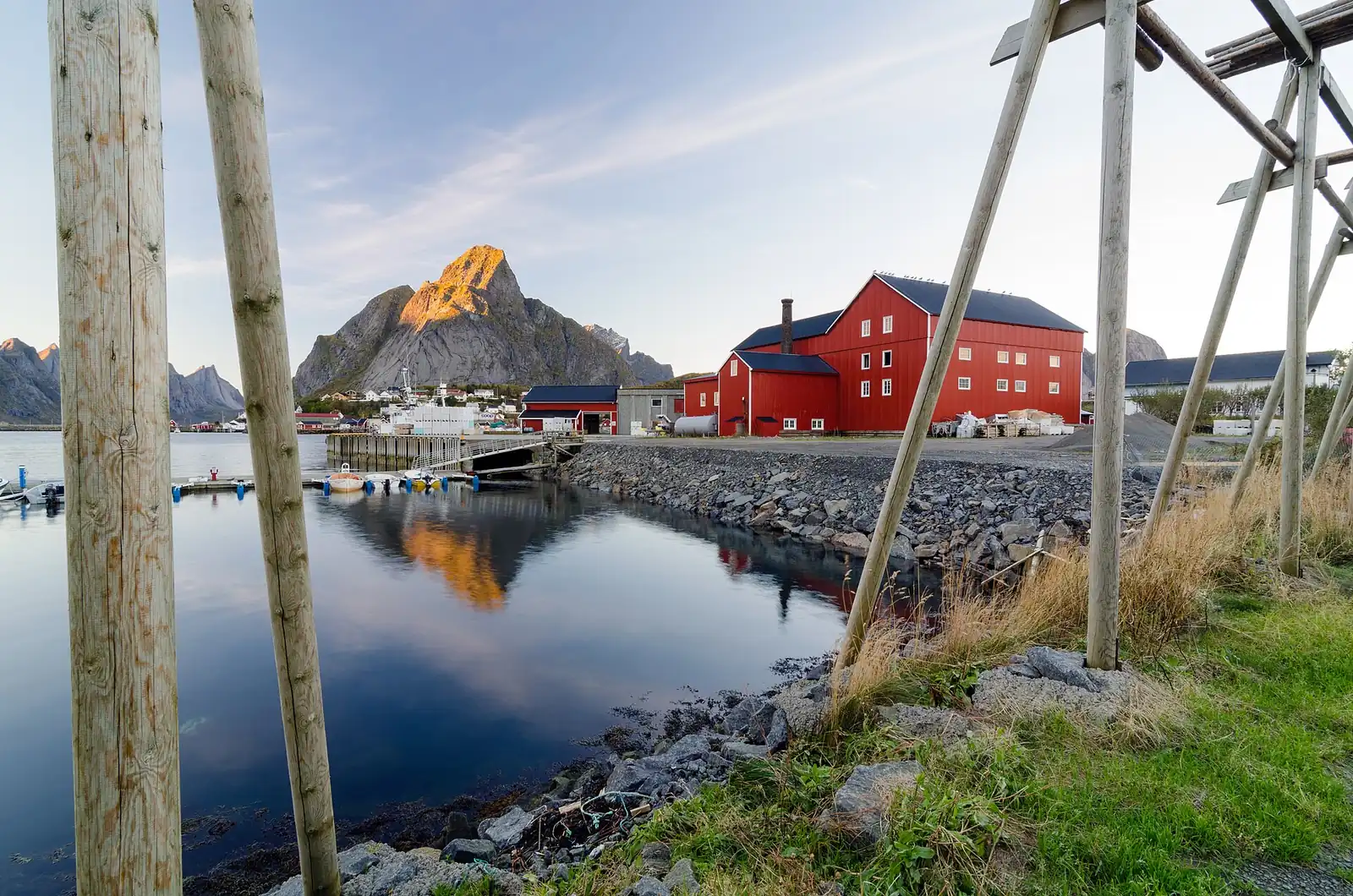
Lofoten Departure Shots: Reine village reflection, dramatic mountain peaks
Mountain Passes: Sweeping valley views, alpine lakes
Trondheim: Colorful wooden houses, Nidaros Cathedral
Atlantic Road Arrival: Storseisundet Bridge from multiple angles
Planning Your Connected Adventure
This route connects two of Norway's most photographed and celebrated destinations, creating opportunities for diverse experiences from arctic archipelago beauty to dramatic coastal engineering. The journey itself becomes part of the adventure, with landscapes transitioning from Lofoten's jagged peaks to the Atlantic Road's maritime drama.
📋 Essential Pre-Departure Checklist
- Vehicle Preparation: Full service, winter equipment if seasonal
- Accommodation Booking: Reserve 4-6 weeks ahead in summer
- Ferry Reservations: Book 48-72 hours minimum in advance
- Weather Monitoring: Check forecasts and road conditions
- Emergency Preparedness: Emergency supplies, communication devices
- Route Downloads: Offline maps for areas with limited cell coverage
The connection between Lofoten Islands and Atlantic Road represents more than just a driving route—it's a journey through the heart of Norwegian natural beauty, linking two UNESCO-worthy destinations through landscapes that embody the dramatic character that makes Norway one of the world's premier scenic driving destinations.
For travelers seeking the ultimate Norwegian coastal experience, this connection delivers unmatched diversity, combining the mystical beauty of Arctic archipelago landscapes with the engineering marvel and maritime drama that has made the Atlantic Road internationally famous. Whether completed as a focused 2-day journey or extended into a week-long Norwegian adventure, this route provides memories worthy of the effort required to experience these remarkable destinations.