Oslo to Atlantic Road: Complete Route Planning Guide
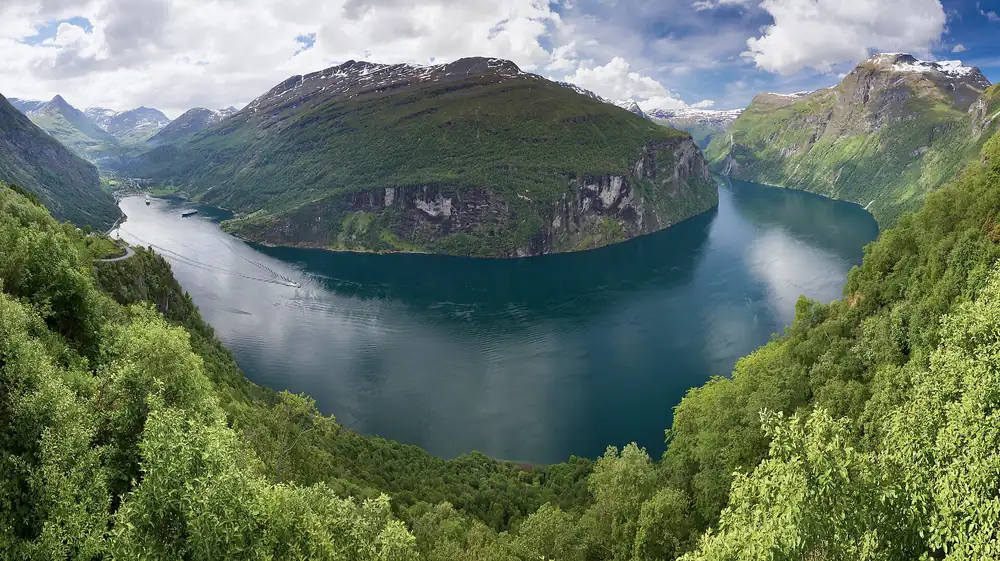
The journey from Norway's capital Oslo to the legendary Atlantic Road represents one of Scandinavia's most rewarding road trip adventures. Spanning approximately 470 kilometers through some of Norway's most diverse landscapes, this route transitions from urban sophistication to dramatic coastal wilderness, offering travelers an authentic taste of Norwegian geography, culture, and natural beauty. This comprehensive guide provides everything needed to plan and execute this unforgettable Norwegian road trip.
🚗 Route Quick Facts
- Distance: 470 km (292 miles) via recommended scenic route
- Driving Time: 6-7 hours non-stop, 2-3 days recommended
- Best Season: May through September for optimal conditions
- Route Difficulty: Moderate - includes mountain passes and ferry crossings
Recommended Route Options
Scenic Route (Recommended): Oslo → Lillehammer → Dombås → Kristiansund → Atlantic Road
This route follows Norway's inland spine through the Gudbrandsdalen valley before crossing to the coast, maximizing both scenic value and cultural experiences. The journey takes you through traditional Norwegian farming country, past Olympic venues, and over dramatic mountain passes before reaching the coastal region.
From Oslo, head north on E6 through Lillehammer (130 km), then continue to Dombås (290 km total). At Dombås, switch to Route 70 west, which becomes one of Norway's most spectacular mountain crossings. This section includes the Sunndalsøra valley and culminates in Kristiansund, your gateway to the Atlantic Road.
Direct Route: Oslo → Hamar → Trondheim → Kristiansund → Atlantic Road
For travelers prioritizing speed over scenery, this northern route via Trondheim covers 520 kilometers but uses major highways for most of the journey. While longer in distance, it avoids some mountain passes and provides more consistent driving conditions. This route works well for travelers with limited time or those visiting during marginal weather conditions.
The Trondheim route also offers opportunities to explore Norway's ancient capital and its historic Nidaros Cathedral, adding cultural depth to the journey. However, it requires more highway driving and provides fewer opportunities for scenic photography and outdoor activities.
⚠️ Planning Considerations
Ferry Crossings: The final approach to Atlantic Road may involve ferry crossions depending on your exact route choice. Check current schedules at fjord1.no
Mountain Weather: High-altitude sections can experience snow even in summer. Check yr.no for current conditions
Fuel Stops: Rural sections have limited fuel availability. Fill up in major towns
Stage-by-Stage Route Breakdown
Stage 1: Oslo to Lillehammer (130 km, 1.5 hours)
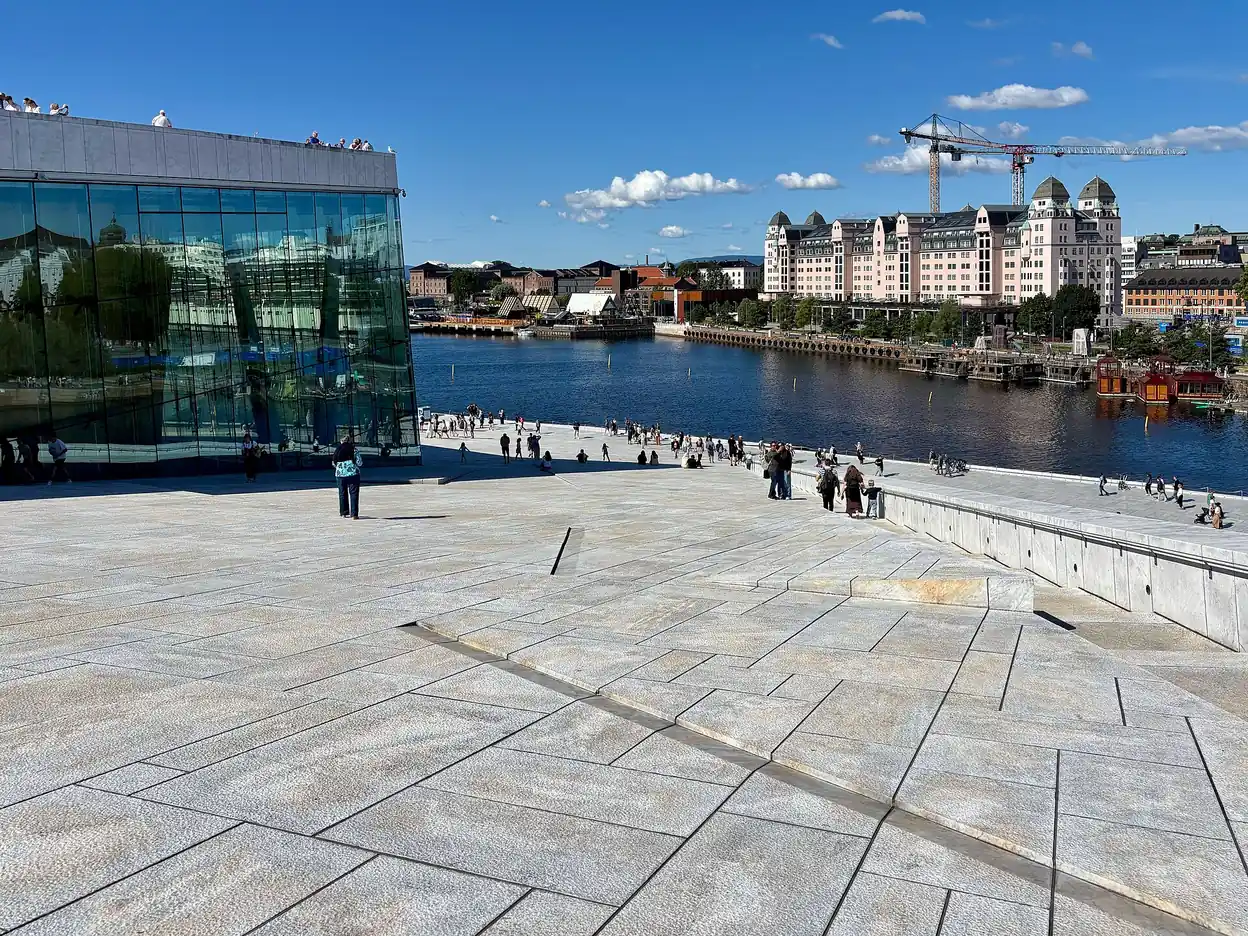
Beginning in Oslo, the route immediately showcases Norway's transition from urban to rural landscapes. The E6 highway follows the shores of Mjøsa, Norway's largest lake, providing gentle introduction to the country's natural beauty. Lillehammer, host of the 1994 Winter Olympics, offers excellent opportunities for morning coffee and Norwegian pastries before continuing north.
Key stops include the Olympic Park and Museum, Norwegian Olympic Museum, and the historic Maihaugen open-air museum. For travelers interested in Norwegian cultural history, Lillehammer provides concentrated exposure to traditional architecture, folk arts, and Olympic legacy. The town also offers excellent accommodation options for travelers preferring to break the journey early.
Stage 2: Lillehammer to Dombås (160 km, 2 hours)
This section follows the famous Gudbrandsdalen valley, one of Norway's most historically significant regions. The valley has served as a major north-south transportation corridor for over 1,000 years and features traditional Norwegian farming landscapes, historic stave churches, and dramatic mountain backdrops.
Dombås serves as a crucial junction point where the route transitions from valley driving to mountain crossing. The town offers the last major services before entering the mountainous section toward the coast. For train enthusiasts, Dombås also marks the departure point for the scenic Rauma Railway, though this requires separate planning.
Stage 3: Dombås to Kristiansund (180 km, 2.5-3 hours)
The mountain crossing from Dombås to the coast represents the route's most challenging and rewarding section. Route 70 climbs through increasingly dramatic landscape, reaching elevations where weather can change rapidly. This section includes the Sunndalsøra valley descent, offering spectacular views of fjord landscapes and coastal mountains.
The descent toward Kristiansund provides the first glimpses of Norway's famous coastal archipelago landscape. Multiple scenic viewpoints allow photography opportunities, though parking can be limited during peak season. This section requires careful attention to driving conditions, particularly during spring and autumn when weather can be unpredictable.
Stage 4: Kristiansund to Atlantic Road (30 km, 45 minutes)
The final approach to the Atlantic Road from Kristiansund serves as anticipation building for the main event. This coastal section provides previews of the dramatic Atlantic Ocean landscape that makes the Atlantic Road famous worldwide. Several smaller bridges and coastal viewpoints offer opportunities to adjust to the exposed coastal environment.
Kristiansund itself deserves exploration, particularly for travelers interested in Norwegian maritime culture and traditional architecture. The city's historic klippfisk (dried cod) traditions connect directly to the Atlantic Road's fishing heritage, providing cultural context for the coastal experience ahead.
📱 Essential Apps & Tools
- Yr.no: Official Norwegian weather service for accurate forecasts
- Vegvesen.no: Real-time road conditions and closures
- Fjord1.no: Ferry schedules and reservations
- Google Maps Offline: Download maps before departure for remote areas
Accommodation and Overnight Options
Strategic overnight stops transform the Oslo to Atlantic Road journey from mere transportation into comprehensive Norwegian exploration. The route offers accommodation options ranging from luxury hotels in major towns to traditional mountain lodges and modern eco-resorts in scenic locations.
Lillehammer provides the widest range of accommodation options, from international hotel chains to historic Norwegian lodges. For travelers seeking authentic Norwegian experiences, traditional mountain hotels along the route offer locally-sourced cuisine, cultural programs, and integration with outdoor activities like hiking and fishing.
Consider staying in Kristiansund before tackling the Atlantic Road itself. This allows for morning departure to the Atlantic Road under optimal lighting conditions while providing opportunities to explore Kristiansund's maritime museums, traditional architecture, and excellent seafood restaurants featuring local klippfisk specialties.
Seasonal Planning and Weather Considerations
Norwegian weather patterns significantly impact the Oslo to Atlantic Road experience, with each season offering distinct advantages and challenges. Summer months (June-August) provide the most stable weather and longest daylight hours, ideal for photography and outdoor activities. However, this period also brings peak tourist crowds and higher accommodation costs.
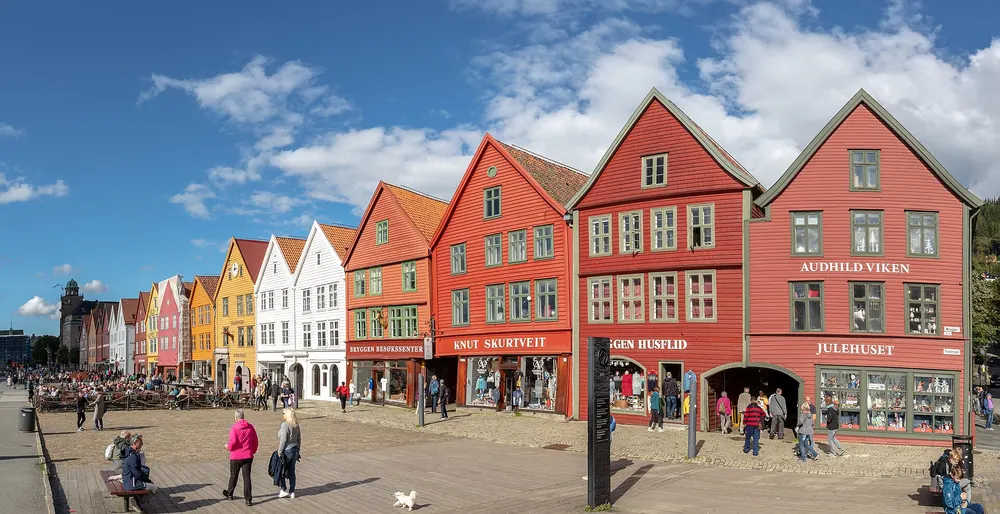
Spring (April-May) and autumn (September-October) offer shoulder season advantages including fewer crowds, moderate weather, and dramatic atmospheric conditions for photography. Spring brings the additional benefit of waterfalls at peak flow from snowmelt, while autumn provides spectacular foliage colors in the inland valleys.
Winter travel requires careful planning and appropriate equipment but rewards hardy travelers with potential northern lights viewing opportunities and dramatically different landscape perspectives. However, mountain passes may require snow tires or chains, and some sections could be temporarily closed during severe weather.
Cultural and Historical Highlights Along the Route
The Oslo to Atlantic Road journey encompasses over 1,000 years of Norwegian history, from Viking-era trade routes to modern engineering achievements. The Gudbrandsdalen valley features numerous historic stave churches, traditional farm museums, and sites connected to Norwegian independence movements.
Kristiansund's klippfisk traditions connect the journey to Norway's maritime heritage and economic history. The city's role in Atlantic trade networks provides context for understanding the Atlantic Road's modern importance as both transportation infrastructure and tourist destination.
Many roadside historical markers and information points along the route explain geological formations, historical events, and cultural traditions. Taking time to read these markers enriches the journey beyond simple sightseeing, providing deeper understanding of Norwegian culture and natural history.
💰 Budget Planning Guide
Fuel: 800-1200 NOK ($80-120 USD) depending on vehicle
Accommodation: 800-2500 NOK per night ($80-250 USD)
Meals: 200-400 NOK per person per day ($20-40 USD)
Tolls/Ferries: 100-300 NOK total ($10-30 USD)
Photography and Scenic Stop Recommendations
Strategic scenic stops maximize photographic opportunities while respecting driving safety and traffic flow. The Gudbrandsdalen valley offers numerous traditional Norwegian landscape compositions with red farmhouses against mountain backdrops. Timing these stops for early morning or late afternoon light produces the most dramatic results.
Mountain crossing sections provide opportunities for dramatic weather photography, particularly when clouds interact with peaks and valleys. However, weather conditions change rapidly in mountain areas, requiring flexibility in photography planning and always prioritizing safety over spectacular shots.
The approach to Kristiansund offers first opportunities for coastal landscape photography, serving as warm-up for the Atlantic Road's more dramatic compositions. These practice sessions help photographers adjust camera settings and composition approaches for the main Atlantic Road experience.
Local Cuisine and Dining Experiences
The Oslo to Atlantic Road route showcases Norway's culinary diversity, from sophisticated urban restaurants in Oslo to traditional mountain lodges and coastal seafood specialists. Each region offers distinctive local specialties reflecting both geographical influences and cultural traditions.
Traditional Norwegian mountain cuisine features game meats, root vegetables, and preserved foods reflecting historical necessities of long winters and remote locations. Many mountain lodges maintain these traditions while incorporating modern cooking techniques and presentation styles.
Coastal cuisine around Kristiansund emphasizes fresh seafood, particularly cod preparations including the traditional klippfisk that made the region economically important. Local restaurants often offer demonstrations or explanations of traditional preservation and preparation methods.
Return Journey and Extended Options
Many travelers combine the Oslo to Atlantic Road route with broader Norwegian exploration, creating circular routes that include additional destinations like Bergen, Trondheim, or the Lofoten Islands. These extended itineraries maximize the value of international travel while reducing repetition of the same route segments.
Alternative return routes via Bergen or Trondheim offer opportunities to experience different Norwegian landscapes and cultural regions. The Bergen route includes famous fjord scenery and UNESCO World Heritage sites, while the Trondheim route provides access to central Norwegian cultural attractions and historic sites.
Consider timing return journeys to coincide with different seasonal conditions, allowing comparison of the same landscapes under varying weather and lighting conditions. This approach particularly appeals to photography enthusiasts and travelers with flexible schedules.
🎯 Expert Tips for Success
Book accommodation early: Mountain and coastal lodges have limited capacity
Carry emergency supplies: Blankets, food, and water for mountain sections
Check ferry schedules: Some connections have limited frequency
Plan flexible timing: Weather delays are common in mountain areas
The Oslo to Atlantic Road journey represents more than simple transportation between two points—it provides comprehensive introduction to Norwegian landscapes, culture, and natural beauty. Whether completed as a focused two-day adventure or extended into a week-long exploration, this route creates memories that extend far beyond the famous Atlantic Road destination itself. Plan thoughtfully, drive safely, and prepare to discover why Norway consistently ranks among the world's most beautiful and well-organized travel destinations.
Alternative Routes to Atlantic Road | Best Times to Visit Atlantic Road | Essential Safety Information